
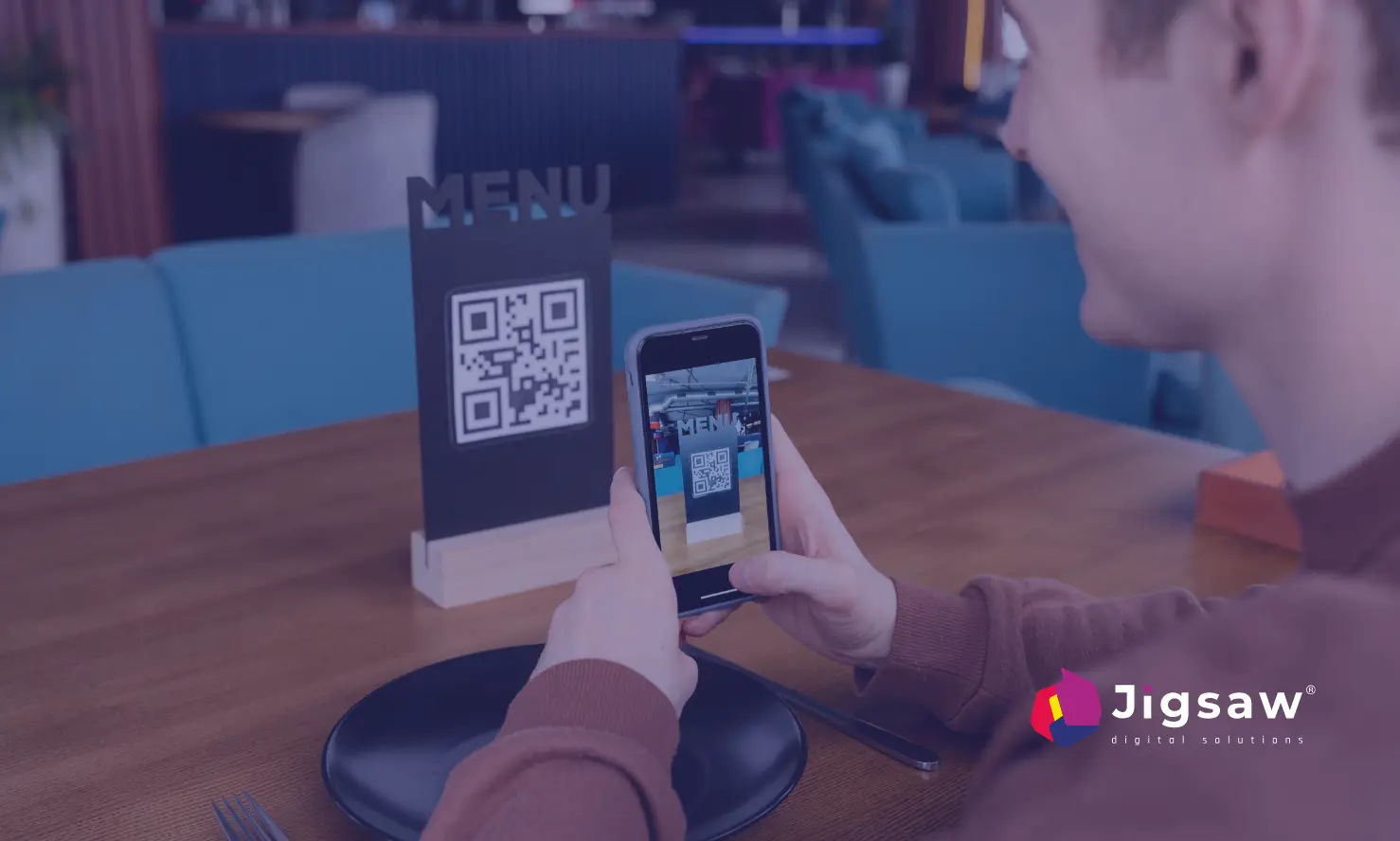
The modern restaurant experience is defined by speed, convenience, and control. In an industry historically plagued by bottlenecks—from waiting for a server to take an order to the final, often lengthy payment process—operators are actively seeking technological levers to enhance efficiency and customer satisfaction simultaneously. The solution has emerged not from complex machinery, but from a simple, ubiquitous tool: the QR Code.
QR Dine-in Solutions are fundamentally reshaping the relationship between the diner, the menu, and the staff. By empowering the guest to take charge of their transaction, these systems drastically streamline operations, effectively eliminating friction points that contribute to long wait times and strained service. This technology moves beyond novelty; it is now the essential infrastructure for any food and beverage (F&B) establishment committed to maximizing table turnover and achieving operational excellence.
This article explores the mechanics of this transformation, detailing how the integrated processes of Digital Menu, Scan to Order, and Scan to Pay coalesce to create a superior, high-efficiency dining model.
Before examining the solution, it's vital to identify the specific failure points inherent in the traditional, server-mediated dining model. These bottlenecks significantly limit the potential for increased table turnover and superior service:
The biggest drain on efficiency is the necessity of human intervention for routine tasks. Customers frequently experience delays at three critical stages:
Collectively, these minor waits can add 15 to 20 unnecessary minutes to the dining experience, directly reducing the number of guests a table can serve per shift.
Verbal ordering introduces the potential for human error. Misheard modifications, forgotten side orders, or inaccurate table entries require kitchen re-dos, resulting in food waste, increased costs, and frustrated customers. These inaccuracies strain kitchen efficiency and delay the final table delivery time.
The final step—payment—is often the slowest. The server must be available to drop the bill, process the transaction terminal, and return the receipt. If a server is busy with three different tables at the same time, the payment process for one table can easily stretch, delaying their departure and tying up a critical piece of operational equipment: the table itself. This directly impacts the restaurant’s primary goal: accelerated table turnover.
The first component of the QR solution is the Digital Menu. This is far more than just a PDF file displayed on a phone screen; it is a dynamic, high-engagement platform that enhances the dining experience before the order is even placed.
The digital format allows the restaurant to transform its traditional paper offering into an engaging digital experience. This is achieved through:
For the operator, the digital menu eliminates the logistical nightmare and cost of printed materials. Price changes, ingredient updates, and daily specials can be adjusted in real-time across all tables simultaneously, eliminating inventory errors and waste associated with outdated print menus. Furthermore, this approach aligns with modern consumer values by providing an immediate, sustainable, and paperless interaction.
The Scan to Order functionality is the operational core of the QR solution, directly addressing the "Wait for Service" bottleneck by eliminating the need for a server to initiate the order process.
By simply scanning a QR code placed directly on the table, guests are instantly connected to the digital menu. Key operational benefits include:
A critical, often overlooked benefit is the ability to easily capture incremental sales throughout the dining experience. A guest no longer needs to flag down a busy server for a second round of drinks or a dessert; they simply scan the code again and add the items. This leads to:
Every Scan to Order transaction captures valuable data on customer preferences, popular ordering times, and item combinations. This rich transactional data provides the restaurant with deep insights into menu performance and customer behavior, informing future pricing, promotion, and inventory decisions.
The final and equally vital piece of the puzzle is Scan to Pay. This functionality tackles the "Costly Payment Logjam," ensuring a smooth and rapid exit that directly contributes to maximum table turnover.
The Scan to Pay feature provides a quick and hassle-free checkout experience that is entirely managed by the guest:
Modern Scan to Pay solutions offer robust payment gateways, accommodating various payment methods without requiring the server to carry portable terminals. This not only enhances convenience but also reinforces data security, as the sensitive payment information is handled securely via the customer's phone and the digital payment provider, reducing the restaurant's liability.
The payment interface can be engineered to simplify the tipping process, often presenting predefined tip percentages or suggestions. By making the tipping process simple and quick, restaurants often see an increase in overall tip volume, which boosts staff morale and ensures a more positive service attitude.
When the Digital Menu, Scan to Order, and Scan to Pay are unified into one cohesive QR Dine-in Solution, the cumulative strategic benefits are profound:
The primary benefit is transforming the role of the F&B staff. Servers move from being order-takers and payment-processors to service consultants and food runners. They spend less time performing administrative tasks and more time engaging in high-value activities: offering expert recommendations, checking on food quality, and ensuring customer comfort. This is the definition of efficiency: higher output with the existing labor force.
By removing the three major service waits (ordering, reordering, and paying), the time a guest spends involuntarily waiting is minimized. This means tables are occupied for a shorter duration, directly increasing the number of covers the restaurant can serve per hour. Even a reduction of 10 minutes per table can translate to one extra turn per table during peak dinner service, leading to significant revenue increase.
Ultimately, the self-service model grants the customer exactly what they crave: control. They order when they are ready, modify exactly how they prefer, and pay when they choose to leave, all without the frustration of trying to flag down a busy employee. This enhanced control leads to a smoother, faster, and more personalized experience, fostering higher satisfaction and promoting repeat business.
QR Dine-in Solutions are not a temporary trend; they are a necessary infrastructural upgrade. They empower restaurants to eliminate wait times, boost operational efficiency, and redefine the dining experience for the digital age, setting a new standard for service excellence and revenue optimization.


.avif)
.avif)
.avif)